
The Burden of Looking Away
The Hanging GirlThis thread follows the consequences of avoidance across Carl, Habersaat, and the Habersaat family, showing how silence delays truth without preventing harm.
increasing Bearing strength in each event
 decreasing
Bearing strength in each eventdecreasingCarl’s First Refusal
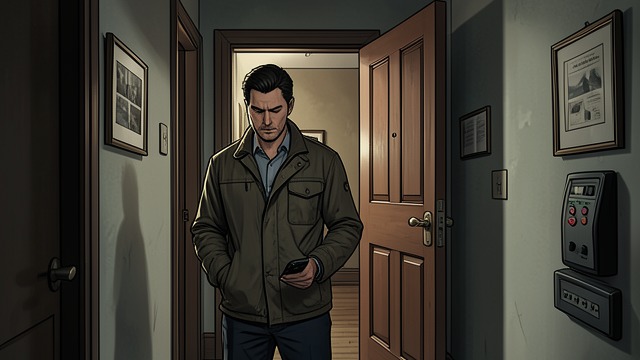
An Avoided Conversation
The Call
Carl refuses Christian Habersaat’s request to explain the old case, choosing not to engage with a stranger’s burden.
Later Responsibility
Habersaat’s death makes the refusal matter, though it does not make Carl responsible for another man’s decision.
Habersaat’s Silence at Home
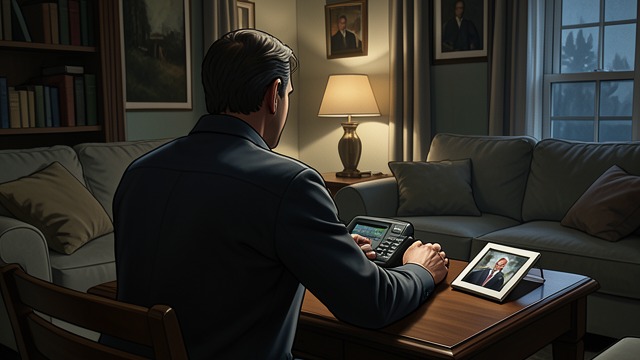
A Secret Unshared
Suspicion
Habersaat eventually suspects Bjarke but cannot bring himself to confront his son or explain the evidence.
Isolation
His private investigation grows while his family life contracts, leaving crucial truths outside ordinary conversation.
Bjarke’s Unspoken Guilt
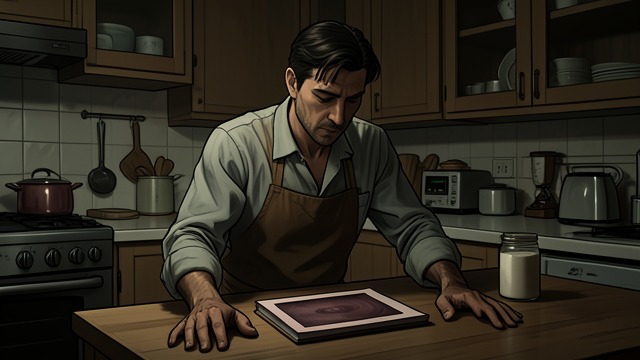
Knowing but Not Telling
A Mother Protected
Bjarke understands June’s role in the murder and keeps it from his father.
A Costly Silence
His loyalty preserves the family secret but cannot protect him from guilt, distance, or his eventual suicide.
June’s Refusal to Speak
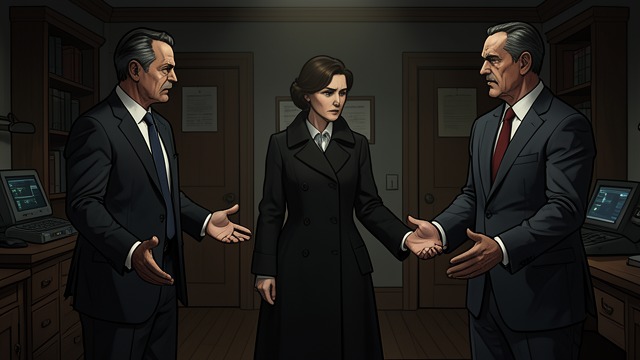
Questions Rejected
Defensive Responses
June resists the investigators’ attempts to discuss Frank, Alberte, and Christian’s inquiries.
Delayed Truth
Only after Atu returns and she shoots him does June tell Carl and Assad what happened, leaving the confession too late to repair her family.
A Letter After the Death
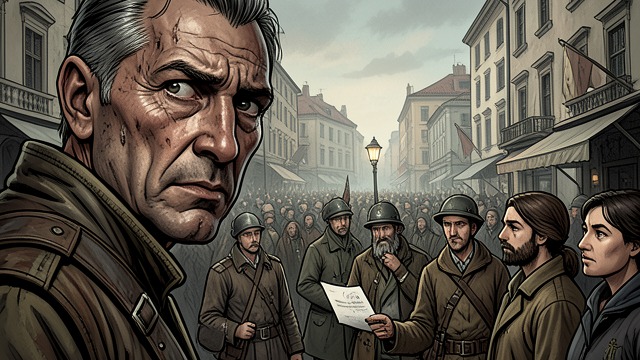
Words Finally Found
Habersaat’s Note
The hidden letter explains that Christian had suspected Bjarke but chose not to pursue his own son.
Truth Without Reconciliation
The letter clarifies his silence only after he is dead, illustrating how delayed honesty can reveal facts without restoring relationships.
April 29, 2014
After November 1997
After Alberte’s death
April 30–May 17, 2014
May 17, 2014
